
PUR
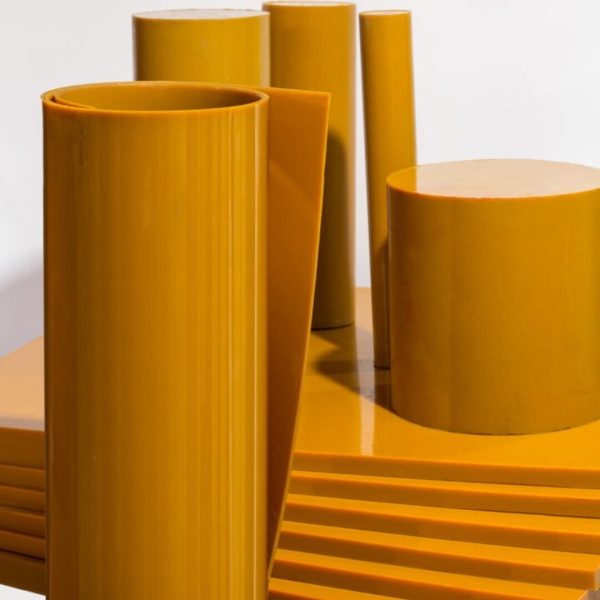
Original price was: 700.000 ﷼.680.000 ﷼Current price is: 680.000 ﷼.PUR polyurethane was developed in Germany during World War II. Its main application is in coatings, elastomers and foams. This type of polymer has a very high resistance to abrasion. Due to the combination of low heat transfer and cost effectiveness, it is widely used as an insulating material.
PUR polyurethane is used as insulation and other limited applications with a high temperature capability of about 250 degrees Fahrenheit. It does not have good resistance to direct sunlight or in contact with most organic solvents. There are two common types of PUR polyurethane: Polyester-based and Polyether-based.
Water Gasket
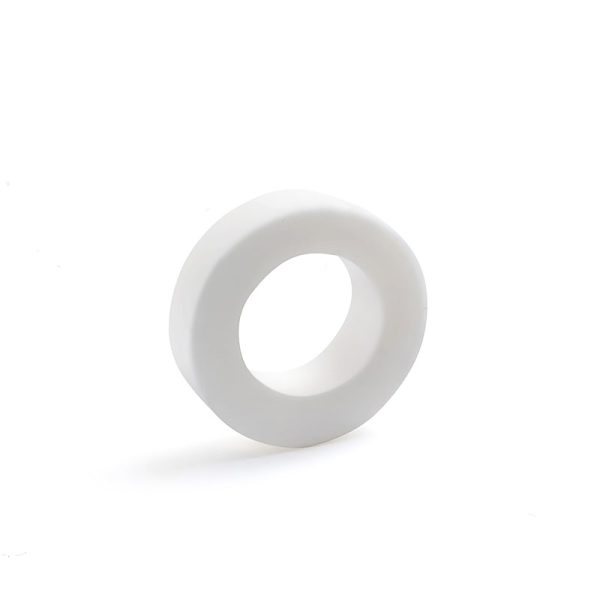
A water seal is a special type of gasket that is specifically designed for use in water fittings and equipment. These gaskets play a vital role in creating a tight seal and preventing water leakage. These gaskets are usually made of heat and pressure resistant materials and are capable of withstanding harsh environmental conditions.
Gas Gasket
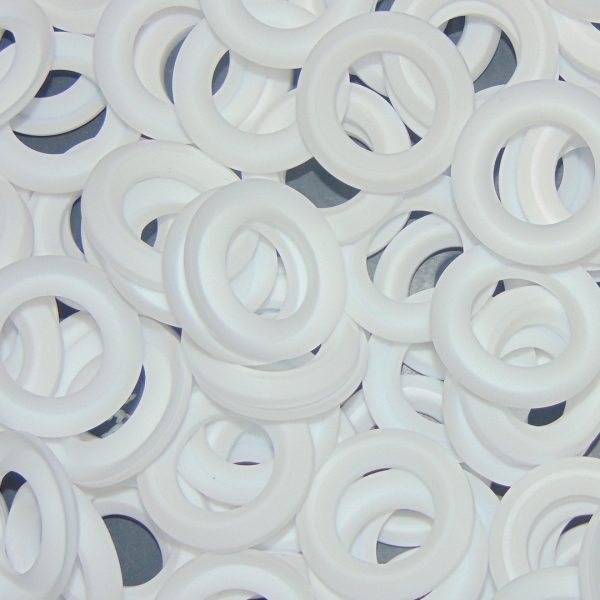
Teflon/PTFE Washer: Teflon washer or PTFE washer is a polytetrafluoroethylene washer that is used in various industries due to its unique properties. Its melting point is about 327 degrees Celsius and its operating temperature is between -200 and 260 degrees Celsius. Teflon washer has excellent electrical insulation properties, high chemical resistance, low friction coefficient and heat resistance. Its applications include the chemical, food, pharmaceutical and electronics industries. Different grades of Teflon washer include glass Teflon washer, carbon Teflon washer and graphite Teflon washer, each of which has its own properties and applications.
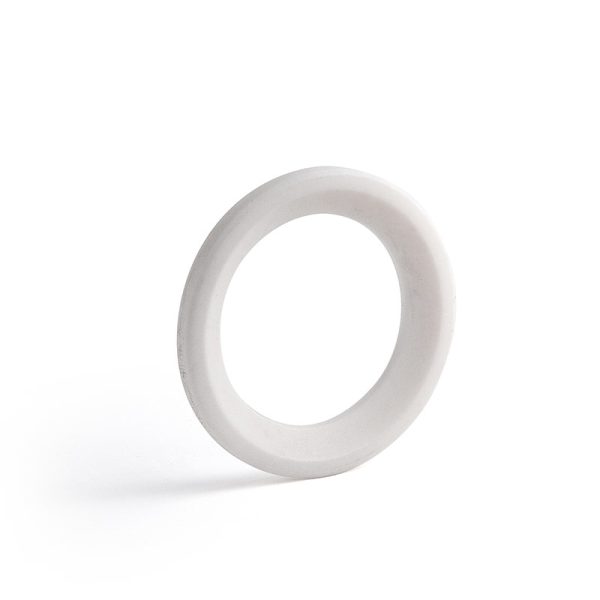
Teflon Gasket
Gaskets made of Teflon (polytetrafluoroethylene, PTFE) have chemical resistance with low coefficient of friction. It can also be used in the food industry due to its FDA approval.
Teflon gaskets (polytetrafluoroethylene, PTFE) are not recommended for liquid alkalis and flora.
Teflon raw materials are imported from European countries such as Italy and Russia, it is produced in the form of Tubes and Rods with the same European technology and finally turned into washers.
It is necessary to explain that the company has the ability to produce washers in external dimensions of 10 to 100 mm and internal thickness and diameter ordered by the customer.
PVC
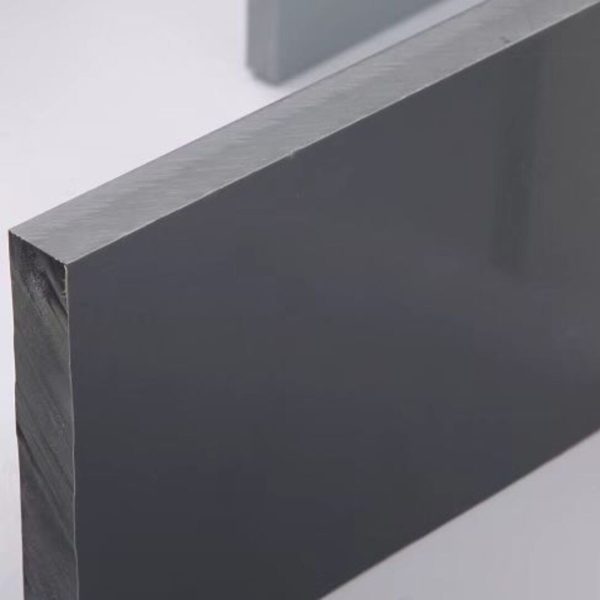
Polyvinyl chloride, abbreviated as PVC, is a non-flammable and fine-grained polymer, which has high chemical, tensile and mechanical strength and can be used at temperatures of -15 to 60 degrees Celsius. This material changes color in the face of UV rays and its tensile strength and impact resistance are slightly reduced. It should be noted that this polymer is easily weldable.
It is one of the oldest polymers that has a brittle behavior and for this reason, a softener is often added to it and it is called soft PVC. In this way, it becomes a flexible plastic with high processability and convertible into films, sheets and rods. It also increases its resistance to atmospheric factors and creates unparalleled transparency.
However, reducing the heat resistance up to 70 °C, drastically increasing the employability and changing the mechanical properties over time – which is due to the gradual removal of oil (plasticizer) from it – is one of the disadvantages of adding softener to.
MicroPowder
Polytetrafluoroethylene (Teflon, PTFE or PTFE) is formed by the polymerization of tetrafluoroethylene (TFE). The basic properties of polytetrafluoroethylene (Teflon, PTFE or PTFE) are due to the very strong chemical bond between the carbon atom and the fluorine.
Polytetrafluoroethylene (Teflon, PTFE or PTFE) has a unique position in the plastics industry due to its chemical penetration, heat resistance, excellent mechanical properties, dielectric, anti-adhesion and lower coefficient of friction than the working temperature And the amplitude of the pressure. These properties confirm the widespread use of these materials in all sectors of the industry.
Micro-polytetrafluoroethylene powder (Teflon, PTFE or PTFE) is added to many materials to prevent friction and reduce or avoid lubrication of parts made by molding or extrusion.
When mixing micro-polytetrafluoroethylene powder (Teflon, PTFE or PTFE) with other materials, the speed and quality of the extrusion will increase and the surfaces will be resistant to scratches and chemical agents.
Micro fluorocarbon powder (Teflon, PTFE or PTFE) can replace molybdenum sulfate or graphite to reduce friction. Because it is thoroughly mixed and does not accumulate at one point.
Mixing the material with micro-polytetrafluoroethylene powder (Teflon, PTFE or PTFE), even at a low percentage, is effective in delaying the ignition and preventing the material from dripping when ignited.
PEEK
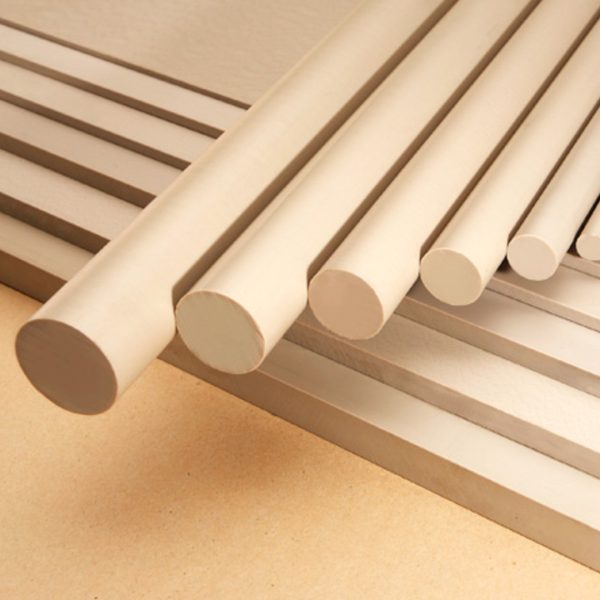
The excellent mechanical performance of the PEEK Peak allows the components to be designed with lower weight, durability and greater strength. Thus PEEK peak is an alternative solution for metals in severe conditions. The thermal performance of PEEK peak, as well as its abrasion and chemical resistance, ensures longer life and integrity of components in harsh environments.
PEEK peak has good resistance to beta and X-rays as well as gamma rays (more than 1000 billion without loss of mechanical properties). It is a strong candidate for medical programs due to its compatibility features (USP Class VI).
This makes the PEEK courier ideal for use in many applications in the chemical, electrical and electronics, petrochemical, automotive, mechanical, medical, aerospace, semiconductor and food industries.
This material is very resistant to thermal attenuation as well as attack to organic and aquatic environments.
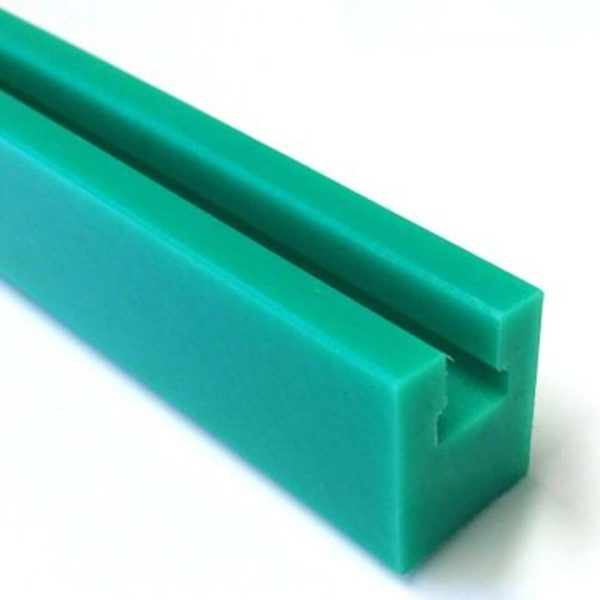
UHMW1000
Grade UHMW1000 polyethylene with a very high degree of polymerization, contains a detectable metal additive. UHMW1000 polyethylene has a very strong stiffness and impact resistance. It also has a food-compatible composition.
Specifically used in the food processing and packaging industries. It can easily be used to detect food contamination through conventional metal detection systems (different results may vary depending on the sensitivity of the metal detection system used).
High molecular weight UHMW1000 polyethylene, which includes several separate groups, is in fact part of the HDPE family of high specific gravity and is classified as an engineering plastic due to its special properties.
These polymers (UHMW1000 polyethylene) are often processed by compression molding or extrusion. They can be produced in the form of sheets, films and molded components.
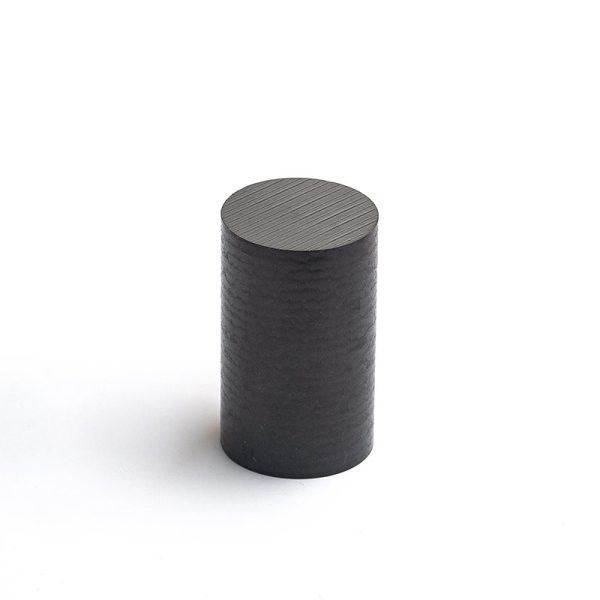
POM
Polystyrene POM has high strength and durability along with improved dimensional stability and ease of machining. Polystyrene POM, as a semi-crystalline material, is also characterized by low coefficient of friction and good abrasion properties, especially in humid environments.
Although polystyrene POM absorbs a small amount of moisture, its physical properties remain constant in different environments. Low moisture absorption creates dimensional stability for mobility-resistant mechanical components.
In high humidity or groundwater use, POM polystyrene bearings perform better than nylon 4 to 1. Polystyrene POM is suitable for mechanical parts and electrical insulation that require strength and hardness. It is also resistant to a wide range of chemicals including many solvents.
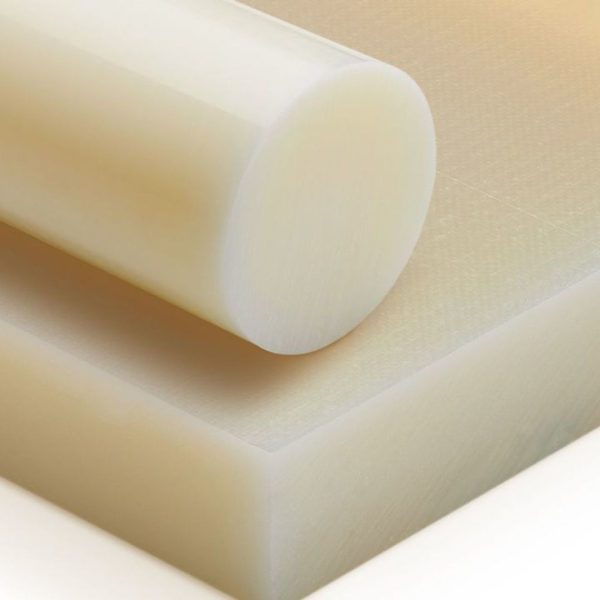
PA66
Polyamide 66 (PA66) is a product derived from hexamethylene and adipic acid. The main feature of this product is high resistance to abrasion and also higher resistance to temperature. While it has lower resistance to shock and shock and less water absorption compared to polyamide 6 (PA6).
In fact, polyamide 66 (PA66) is a better quality polyamide acidic resin. It is also ideal for use in automatic machines.
Polyamide 66 (PA66) has similar properties to polyamide 6 (PA6). Polyamide 66 (PA66) is also known as Nylon 66. Due to its good strength and rigidity, good surface quality and electrical resistance are common and popular materials used in industry.
Polyamide 66 (PA66) material is considered by craftsmen and industrial designers due to its suitable mechanical properties such as high strength and hardness, wear resistance and molding and easy production. For this reason, it is used in the electronics and auto parts industries, firefighting equipment and supplies, the body of industrial equipment and tools, and the cable manufacturing industry.
Easy molding is one of the advantages of this material, which can be molded and shaped at a temperature of 80-100 ° C. Of course, it should be noted that polyamide 66 (PA66) is machinable and in the end provides a good surface smoothness.
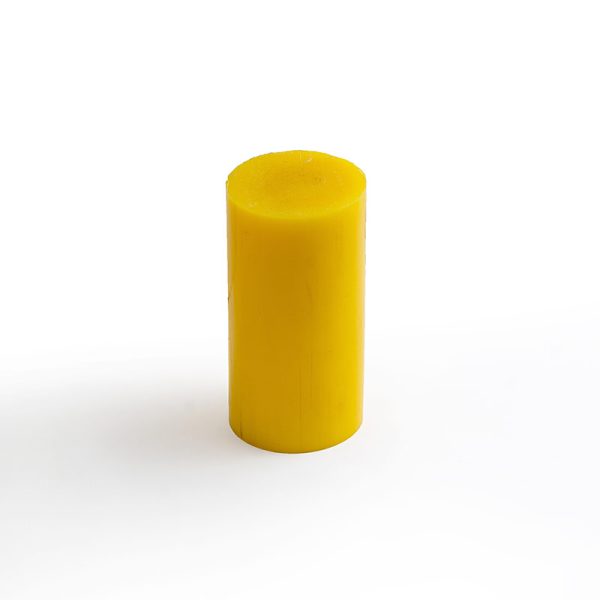
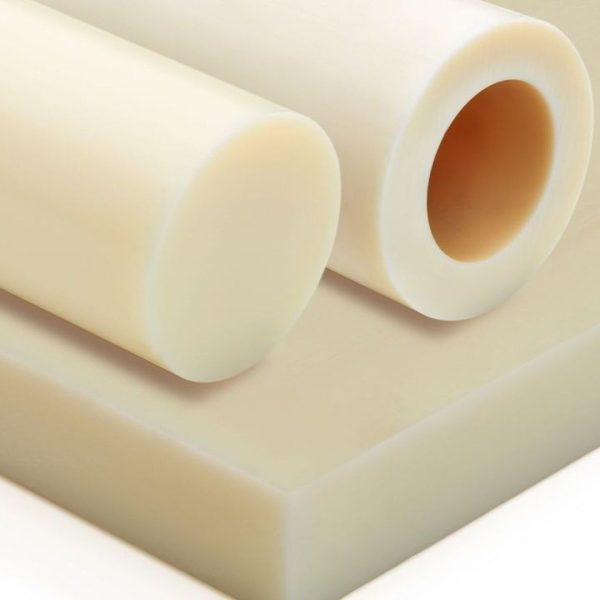
PA6G OIL
Oily polyamide (Zelamide or PA6G OIL) is a modified polyamide 6 (PA6) with a high percentage of lubricating solution. This strange compound in production gives a homogeneous distribution of oil particles in the product. This method of self-lubrication is shock resistance and moisture absorption and improves the reduction of shock resistance and lubrication and moisture absorption.
Also the mechanical properties have been improved compared to oily polyamide (Zlamide or PA6GOIL). This type of reconstructed polyamide is suitable for specific applications.
Machining is also much easier and moisture absorption is improved.
PA6G
Original price was: 3.800.000 ﷼.3.200.000 ﷼Current price is: 3.200.000 ﷼.Semi-crystalline polymer polyamide 6 (PA6) has good general properties and excellent quality and price. The use of high viscosity raw materials to produce polyamide 6 (PA6) keeps the molds at an excellent level. The mechanical strength as well as the slip properties on the surface of polyamide 6 (PA6) are not comparable to other materials with low viscosity. The special baking process of this product gives this product dimensional stability and excellent machining.
PA6GF 30
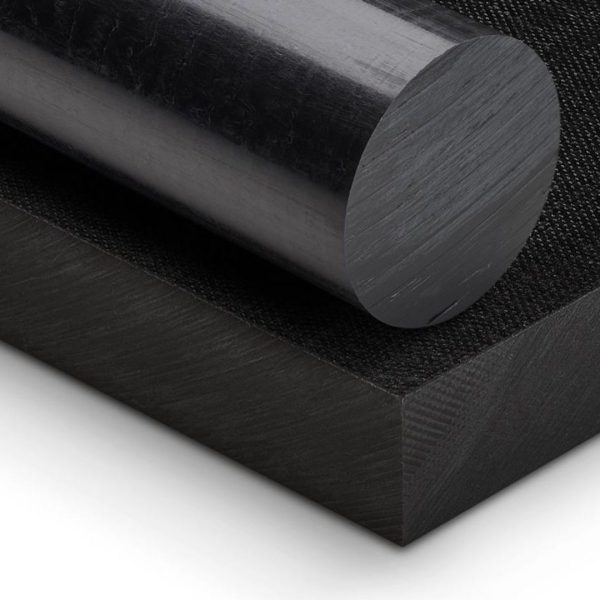
Polyamide is mixed with 30% glass (PA6GF 30), polyamide 6 (PA6) is reinforced with the addition of 30% of glass fibers (glass) and graphite. This feature increases the resistance to abrasion, compression and bending.
Polyamide mixed with 30% glass (PA6GF 30) is suitable for gears and mechanical parts where high abrasion resistance is required.
Advantages
- Abrasion resistance, very high. This property of polyamide is enhanced by the addition of glass. Fiberglass polyamide (30 PA6GF) is one of the best abrasion resistant products.
- High compression strength and excellent abrasion resistance. In general, its excellent properties make it ideal for mechanical applications.
- Wear resistance, waterproof feature and good low temperature resistance.
Disadvantages
- When used with moving metal parts, wear occurs between plastic and metal parts due to the presence of glass or glass fibers.

PA6
Semi-crystalline polymer polyamide 6 (PA6) has good general properties and excellent quality and price. The use of high viscosity raw materials to produce polyamide 6 (PA6) keeps the molds at an excellent level. The mechanical strength as well as the slip properties on the surface of polyamide 6 (PA6) are not comparable to other materials with low viscosity. The special baking process of this product gives this product dimensional stability and excellent machining.
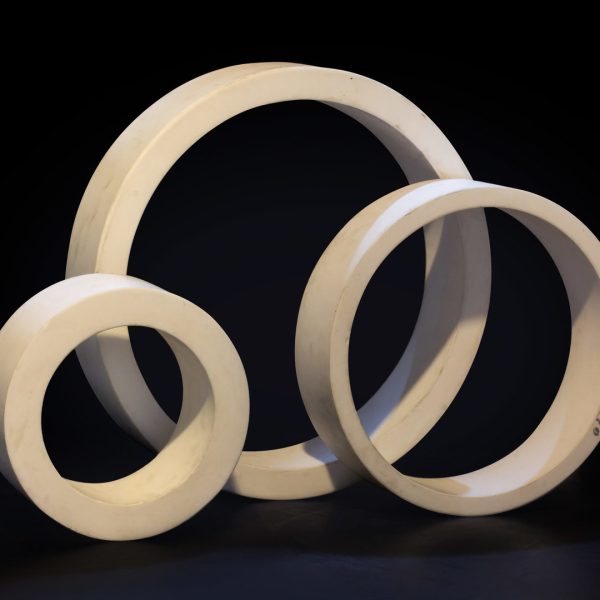
PTFE+25%Glass
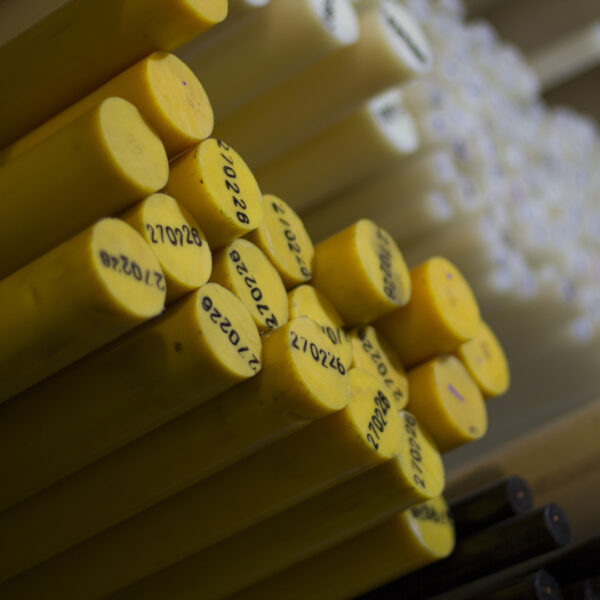
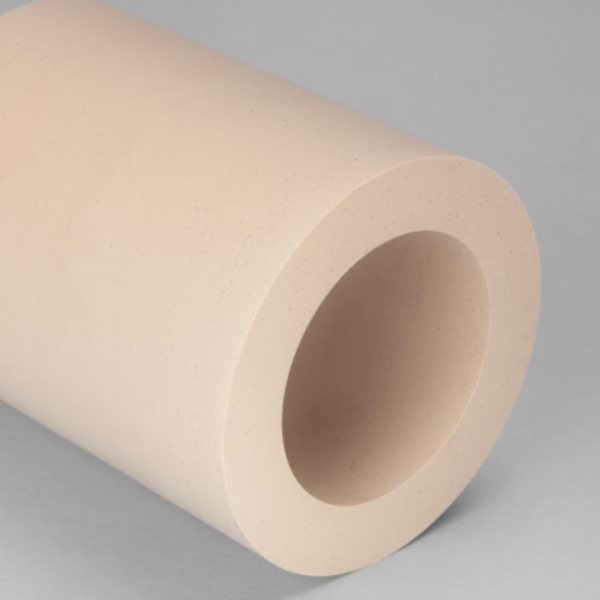
Teflon PTFE is a mixture of 25% glass (PTFE glass or PTFE + 25% Glass) reinforced for high creep resistance in all temperature ranges. Suitable for all types of valve seals and washers in pressure tolerant conditions.
Teflon glass (PTFE + Glass) has a modified coating resistance and due to the insulation of glass fibers has little effect on its electrical properties. Teflon glass 25% (PTFE glass or PTFE + 25% Glass) has excellent water resistance.
The presence of glass fibers increases the anti-wear properties and also provides greater strength against deformation when applying pressure. These changes while the electrical and chemical properties of Teflon (PTFE) remain unchanged. This product also has a higher coefficient of friction. Of course, glass has poor resistance to alkalis.
However, Teflon mixed with 25% glass is not suitable for applications that require resistance to bases and hydrofluoric acid and should be avoided in these applications.
PTFE+40%Bronze
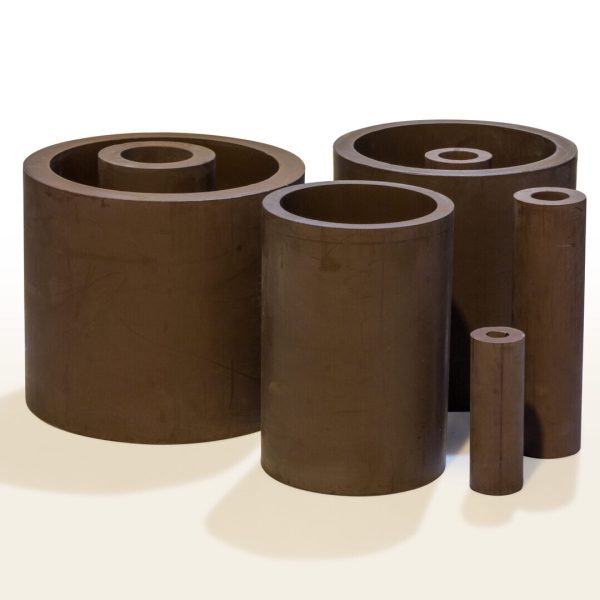
Teflon mixed with 40% bronze (PTFE + 40% Bronze) is a creep-modified alloy compared to other Teflon alloys. This type of Teflon PTFE has reinforced thermal conductivity with a very high pressure bearing capacity. Therefore, it is very suitable for use in hydraulic systems. Teflon bronze is a conductor of heat and electricity and despite its good dimensional strength, it has high compressive strength and resistance to creep due to its hardness.
Teflon bronze products (PTFE + Bronze) have better abrasion resistance and higher thermal conductivity than Teflon fiberglass products. This combination has better machining capabilities.
But exposed to acids and bases, it has less chemical resistance. The combination of Teflon bronze is very useful in operations under high mechanical pressure and high speed wear. Because it provides the power and conductivity needed to control excessive and unwanted heat.
The Teflon bronze compound (PTFE + Bronze) is also known as Tetron B. Bronze is made of an alloy of copper and tin, which has better abrasion resistance than all other Teflon compounds. The Teflon bronze composition is bold brown and a stainless alloy is added for a better appearance.
PTFE+CarbonCeramic
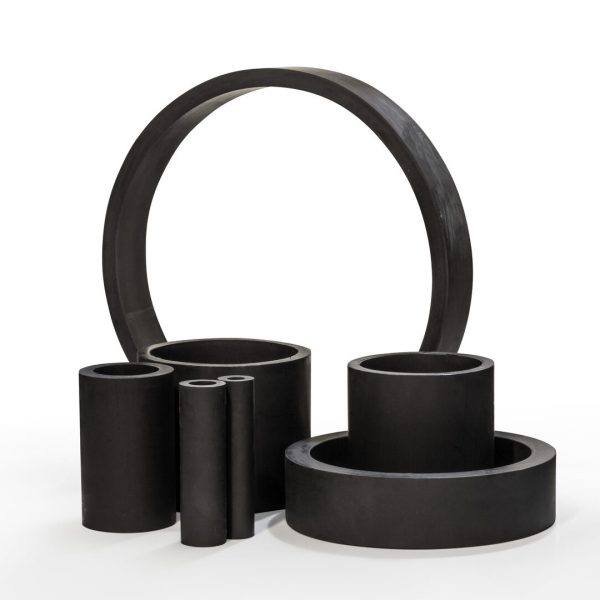
The PTFE mix with carbon, when combined with ceramic, improves the coefficient of thermal expansion and wear properties, which is why it is used in the ring of non-lubricated pistons.
It is mainly used in cases that require high resistance to wear under high pressure. These include piston rings for dry compressors, bearings and mechanical retainers.