


Blog
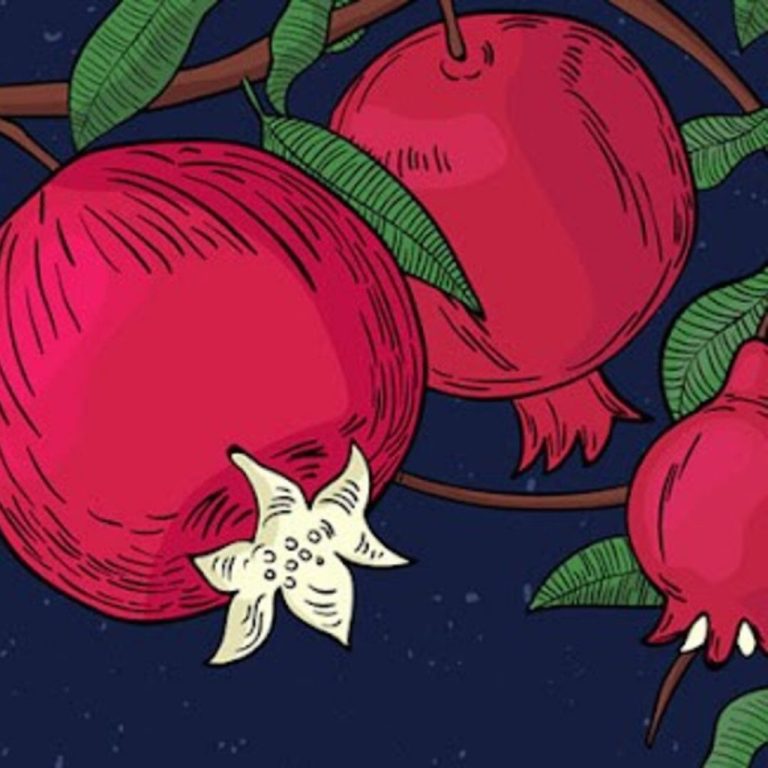
Happy Shab-e Chelleh
Professor Fereydoun Joneydi:
“I do not recognize ‘Yalda’ at all. Say Shab-e Chelleh—Yalda is not Iranian.
This celebration has always been known as Shab-e Chelleh. In the past, the word ‘Yalda’ was never used, and this name has only become common over the last twenty or thirty years. It is a festival unique to Iran, with no equivalent elsewhere in the world. All our fathers and mothers, and our grandfathers and grandmothers, said ‘Chelleh.’ From Azerbaijan to Nishapur, everyone says ‘Chilleh.’ It is not fitting for Iranians to remember it by a non-Iranian name.
In older usage, the first night of winter is called Shab-e Chelleh. People essentially considered winter as two months or two parts: the first 40 days as the “Great Chelleh,” and the last 40 days—coinciding with the Sadeh festival—as the “Small Chelleh.”
Iranians’ attention to Shab-e Chelleh is, on the one hand, due to the importance of knowledge and attention to the ancient Iranian calendar. The word ‘Chelleh’ in different regions of Iran reflects the cultural importance of this number. They originally divided the year into nine 40-day periods—nine months. But after some time, these days changed to 30-day months.
We have had Shab-e Chelleh for six thousand years. The Chelleh Night celebration is a commemoration of knowledge in ancient times. Our ancestors, six thousand years ago, achieved a solar calendar and, through thought and reflection, realized that the first night of winter is the longest night of the year.
The continuity of this celebration—and others like it—is a sign of the unbreakable bond between today’s Iranians and the culture of their ancestors.
On the other hand, the ancients believed that on this night, the angel of evils and the angel of goodness wage war; and in this long battle—equal to the longest night of the year—the angel of goodness ultimately defeats Ahriman, and darkness is overcome by light.
Although Shab-e Chelleh marks the beginning of winter, because it is the longest night, it has been compared to the longest period when Iran was under Babylonian captivity. Just as we brought that long night to an end, we will bring this night to an end as well—and day will rise again.
Iranians endured a thousand years of Babylonian oppression; in the end, oppression did not last and it ended. The message is that even the longest night of the year does not remain long—eventually it ends and reaches a morning when the sun rises one minute earlier. They celebrated this night as a memorial of the thousand-year resilience of Iranians against Babylonian oppression.”